Discover the key lessons from How to Win Friends and Influence People by Dale Carnegie. Learn practical communication, leadership, and relationship-building strategies that can help you succeed in both personal and professional life.
Introduction
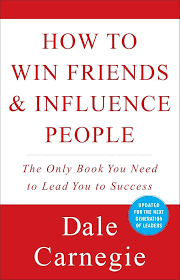
Published in 1936, How to Win Friends and Influence People by Dale Carnegie remains one of the most influential self-help books ever written. Despite being nearly a century old, its lessons on communication, leadership, and human relationships are just as relevant today as they were when the book was first released.
The book has sold millions of copies worldwide and continues to inspire business professionals, entrepreneurs, students, and anyone seeking to improve their interpersonal skills. Carnegie’s philosophy is simple yet powerful: success in life often depends not only on what you know but also on how well you interact with others.
In this article, we will explore the key principles of the book, its impact on personal and professional growth, and why it remains a must-read for anyone looking to build stronger relationships and influence others positively.
Understanding the Core Message
The central idea of How to Win Friends and Influence People is that people are driven by emotions, appreciation, and the desire to feel important. Carnegie argues that understanding human nature is the key to building meaningful relationships and achieving success.
Rather than focusing on manipulation or persuasion tactics, the book teaches readers how to genuinely connect with others by showing respect, empathy, and appreciation.
Carnegie emphasizes that people are more likely to cooperate, support, and trust those who make them feel valued and understood.
The Importance of Human Relations
One of the most important lessons in the book is that strong human relationships are the foundation of success.
Whether you’re managing a team, running a business, working with clients, or maintaining personal relationships, your ability to communicate effectively determines the quality of your interactions.
Carnegie believed that technical skills and intelligence are important, but people skills often make the difference between average and extraordinary success.
Key Principles from the Book
1. Don’t Criticize, Condemn, or Complain
Carnegie strongly advises against criticizing others. According to him, criticism often causes resentment and defensiveness rather than encouraging improvement.
Instead of focusing on mistakes, he recommends understanding why people behave the way they do and approaching situations with empathy.
Why It Works:
- Reduces conflict
- Builds trust
- Encourages cooperation
- Strengthens relationships
When people feel respected rather than judged, they are more open to feedback and positive change.
2. Give Honest and Sincere Appreciation
Everyone wants to feel valued. Carnegie highlights the power of genuine appreciation in motivating others.
Unlike flattery, sincere appreciation comes from recognizing someone’s true efforts, strengths, or achievements.
Benefits:
- Boosts confidence
- Increases motivation
- Improves workplace culture
- Strengthens personal bonds
A simple acknowledgment of someone’s contribution can leave a lasting positive impact.
3. Arouse in the Other Person an Eager Want
One of Carnegie’s most effective principles is understanding what others want and aligning your requests with their interests.
Instead of focusing on your own needs, think about how your ideas benefit the other person.
Example:
Instead of saying:
“I need this project completed quickly.”
Say:
“Completing this project early will help us achieve our goals and create more opportunities for the team.”
This approach makes people more willing to cooperate because they see value for themselves.
4. Become Genuinely Interested in Other People
People naturally appreciate those who take a genuine interest in their lives, opinions, and experiences.
Carnegie encourages readers to:
- Ask meaningful questions
- Listen actively
- Remember personal details
- Show curiosity about others
Building authentic relationships starts with caring about people rather than focusing solely on yourself.
5. Smile
One of the simplest yet most powerful recommendations in the book is to smile.
A smile communicates:
- Friendliness
- Confidence
- Warmth
- Approachability
Carnegie believed that a positive attitude can dramatically influence how others perceive and respond to you.
In both professional and personal settings, a genuine smile can help create stronger connections.
6. Remember That a Person’s Name Is Important
Carnegie famously stated that a person’s name is the sweetest sound to them in any language.
Remembering and using someone’s name demonstrates:
- Respect
- Attention
- Recognition
Whether in networking, business meetings, or casual conversations, using someone’s name helps build rapport and trust.
7. Be a Good Listener
Listening is one of the most underrated communication skills.
Many people focus on what they will say next instead of truly listening to others. Carnegie teaches that effective listeners gain more respect and build stronger relationships.
Tips for Better Listening:
- Avoid interrupting
- Maintain eye contact
- Ask follow-up questions
- Show empathy
People appreciate those who make them feel heard and understood.
8. Talk in Terms of the Other Person’s Interests
Successful communication often involves understanding what matters most to the other person.
When discussing topics that interest them, conversations become more engaging and meaningful.
This principle is especially valuable in:
- Sales
- Leadership
- Networking
- Customer service
By focusing on others’ interests, you naturally increase influence and connection.
9. Make Others Feel Important
One of Carnegie’s most powerful teachings is making people feel genuinely important.
Everyone wants recognition and respect.
You can achieve this by:
- Valuing opinions
- Giving credit
- Showing appreciation
- Treating others with dignity
People are more likely to support and trust those who make them feel valued.
Leadership Lessons from the Book
The final sections of the book focus on leadership and influencing others without creating resentment.
Carnegie advises leaders to:
Praise Before Criticizing
Start with positive feedback before discussing areas for improvement.
Admit Your Own Mistakes
Acknowledging your own shortcomings makes you more relatable and credible.
Ask Questions Instead of Giving Orders
People respond better when they feel involved in decision-making.
Encourage Others
Confidence grows when leaders support and motivate their teams.
These leadership principles remain highly relevant in modern workplaces and organizations.
Why the Book Remains Relevant Today
Although the world has changed dramatically since 1936, human psychology remains largely the same.
People still want:
- Respect
- Recognition
- Understanding
- Appreciation
In today’s digital age, where communication often occurs through emails, social media, and virtual meetings, Carnegie’s principles are more valuable than ever.
The ability to build relationships, communicate effectively, and influence others positively continues to be a major factor in career growth and personal success.
Criticisms of the Book
While the book is widely praised, some critics argue that its advice can occasionally seem overly idealistic or simplistic.
Others believe that constantly focusing on pleasing others may come across as inauthentic if not practiced sincerely.
However, most readers agree that when Carnegie’s principles are applied genuinely, they lead to stronger relationships and better communication outcomes.
The key is authenticity. The book is not about manipulation but about understanding and respecting people.
Key Takeaways
Here are the most important lessons from How to Win Friends and Influence People:
- Avoid criticizing others.
- Offer sincere appreciation.
- Understand what motivates people.
- Take genuine interest in others.
- Smile and maintain a positive attitude.
- Remember people’s names.
- Listen more than you speak.
- Focus on others’ interests.
- Make people feel valued and important.
- Lead with empathy and encouragement.
These simple principles can transform the way you interact with family, friends, colleagues, customers, and business partners.
Conclusion
How to Win Friends and Influence People by Dale Carnegie is more than just a self-help book—it’s a practical guide to understanding human behavior and building meaningful relationships. Its timeless lessons on communication, leadership, empathy, and influence have helped millions of people improve both their personal and professional lives.
Whether you’re a student, entrepreneur, manager, salesperson, or someone simply looking to strengthen relationships, the wisdom found in this classic book can provide valuable insights for long-term success. By applying Carnegie’s principles sincerely and consistently, you can create stronger connections, earn trust, and positively influence the people around you.
In a world where relationships matter more than ever, How to Win Friends and Influence People remains one of the most valuable books for personal growth and success.
The Power of Letting Go by Nick Trenton: A Guide to Emotional Freedom and Inner Peace-2023