Discover the key lessons from The Art of Letting Go by Nick Trenton. Learn how to stop overthinking, release emotional baggage, overcome perfectionism, and find lasting inner peace through practical psychological strategies.
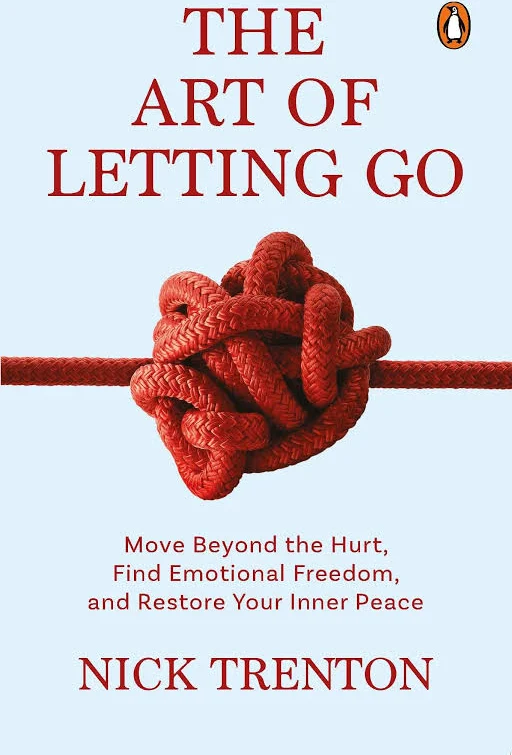
Table of Contents
Introduction
In today’s fast-paced world, many people struggle with overthinking, anxiety, regret, and emotional stress. We often find ourselves trapped in memories of the past or worries about the future. These mental burdens prevent us from enjoying the present moment and living a peaceful life. Nick Trenton’s book The Art of Letting Go: Stop Overthinking, Stop Negative Spirals, and Find Emotional Freedom offers practical strategies to overcome these challenges and regain control of our thoughts and emotions. The book focuses on helping readers organize mental clutter, stop dwelling on the past, reduce anxiety, and develop healthier thinking patterns.
The central message of the book is simple yet powerful: learning to let go can transform your mental and emotional well-being. By releasing unnecessary worries, perfectionism, and emotional baggage, people can experience greater happiness, freedom, and peace of mind.
Understanding the Concept of Letting Go
Letting go does not mean giving up on life, ignoring problems, or suppressing emotions. Instead, it means accepting what cannot be changed and focusing your energy on what you can control. According to Nick Trenton, many people waste enormous amounts of mental energy worrying about situations beyond their influence. This constant focus on uncontrollable events creates stress, anxiety, and frustration.
The book encourages readers to recognize the difference between what they can control and what they cannot. By concentrating on actions, decisions, and attitudes within their power, individuals can reduce emotional suffering and create a more balanced mindset.
The Problem of Overthinking
One of the major themes in The Art of Letting Go is overthinking. Overthinking occurs when people repeatedly analyze situations, replay past mistakes, or imagine worst-case scenarios. While reflection can sometimes be useful, excessive thinking often leads to anxiety and emotional exhaustion.
Trenton explains that overthinking keeps individuals trapped in negative thought cycles. Instead of solving problems, it magnifies fears and insecurities. The book provides practical techniques to break these mental loops and redirect attention toward productive actions.
For example, readers are encouraged to practice mindfulness, journaling, and self-observation. These methods help people recognize harmful thought patterns before they spiral out of control.
The Importance of Living in the Present
Many people spend their lives stuck between the regrets of yesterday and the fears of tomorrow. Nick Trenton emphasizes the importance of being present. The past cannot be changed, and the future is often unpredictable. The only moment we truly possess is the present.
The book teaches readers to focus on current experiences rather than becoming consumed by hypothetical problems. Mindfulness practices encourage awareness of thoughts and emotions without judgment. This shift in perspective helps reduce anxiety and creates a greater sense of calm and clarity.
Living in the present allows individuals to appreciate life’s simple moments and make better decisions without the burden of constant worry.
Letting Go of Perfectionism
Perfectionism is another obstacle that prevents emotional freedom. Many people believe they must achieve flawless results in every aspect of life. This unrealistic expectation often leads to stress, disappointment, and self-criticism.
Nick Trenton introduces the concept of moving from “perfectionism” to “excellentism.” Instead of striving for perfection, individuals should focus on doing their best while accepting imperfections. Excellence encourages growth, learning, and improvement without the pressure of unrealistic standards.
When people let go of perfectionism, they become more resilient and confident. They learn to view mistakes as opportunities for growth rather than evidence of failure.
Managing Negative Self-Talk
The way we speak to ourselves has a significant impact on our mental health. Negative self-talk often fuels anxiety, low self-esteem, and emotional distress. Thoughts such as “I’m not good enough” or “I always fail” can become deeply ingrained beliefs.
Trenton highlights the importance of identifying and challenging these harmful internal narratives. By replacing self-criticism with self-compassion, individuals can create a healthier relationship with themselves. The book provides practical exercises to help readers recognize negative thought patterns and develop more balanced perspectives.
Learning to control self-talk is one of the most powerful steps toward emotional freedom.
The Role of Emotional Acceptance
Many people attempt to avoid difficult emotions such as sadness, anger, guilt, or disappointment. However, suppressing emotions often makes them stronger. Nick Trenton advocates for emotional acceptance rather than emotional avoidance.
Accepting emotions does not mean allowing them to control your life. Instead, it involves acknowledging feelings without judgment and understanding that emotions are temporary experiences. By observing emotions rather than resisting them, individuals can process them more effectively and move forward.
This approach helps reduce emotional suffering and promotes greater psychological resilience.
Brain Dumping and Mental Clarity
One of the practical techniques discussed in the book is “brain dumping.” This involves writing down thoughts, worries, tasks, and concerns to clear mental clutter. Many people carry countless thoughts in their minds throughout the day, creating feelings of overwhelm and stress.
Brain dumping allows individuals to externalize their thoughts and organize them more effectively. Once worries are written down, they often feel more manageable. This simple exercise can improve focus, reduce anxiety, and create a sense of control.
For people who struggle with racing thoughts, brain dumping can be an extremely valuable tool.
Forgiveness and Letting Go of the Past
Holding onto resentment, guilt, and regret can prevent personal growth and happiness. One of the key lessons in the book is the importance of forgiveness. Forgiveness does not mean approving harmful behavior or forgetting painful experiences. Instead, it means releasing the emotional burden associated with them.
Whether forgiving others or forgiving oneself, this process creates emotional freedom. Letting go of past mistakes allows individuals to focus on the present and future rather than remaining trapped in painful memories.
Forgiveness is not always easy, but it is often necessary for healing and personal growth.
Building a Healthier Mindset
Throughout the book, Nick Trenton emphasizes that emotional well-being is not achieved overnight. Letting go is a continuous process that requires practice, patience, and self-awareness. Small daily habits can create significant long-term improvements in mental health.
Some of the key practices recommended include:
- Practicing mindfulness and self-awareness.
- Challenging negative thoughts.
- Reducing perfectionistic expectations.
- Focusing on what you can control.
- Accepting emotions without judgment.
- Writing down worries and concerns.
- Developing self-compassion.
- Letting go of past regrets and future fears.
By consistently applying these principles, individuals can create a calmer, more balanced, and fulfilling life.
Conclusion
The Art of Letting Go by Nick Trenton is more than just a self-help book; it is a practical guide for achieving emotional freedom and inner peace. In a world filled with stress, uncertainty, and constant mental stimulation, the ability to let go has become an essential life skill. The book teaches readers how to stop overthinking, manage anxiety, release perfectionism, and focus on what truly matters.
The power of letting go lies in understanding that we cannot control everything in life. We can only control our responses, attitudes, and actions. When we release the need to hold onto every worry, mistake, or fear, we create space for happiness, growth, and peace.
Ultimately, Nick Trenton’s message is clear: emotional freedom begins when we learn to trust ourselves, embrace the present moment, and let go of what no longer serves us. By doing so, we can live more meaningful, balanced, and fulfilling lives.
How to Win Friends and Influence People by Dale Carnegie: A Timeless Gide to Success